INSTITUTE OF MICROBIOLOGY OF THE CZECH ACADEMY OF SCIENCES
The Institute of Microbiology of the Czech Academy of Sciences (IMIC) is one of the largest institutions in Europe dedicated to basic and applied microbiology research. Established as an independent institute in 1962, IMIC now comprises 27 research laboratories and nearly 700 staff members. Its mission is to investigate the full diversity of microbial life and to translate this knowledge into advances in biotechnology, environmental science, immunology and medicine, including the development of new therapeutics and vaccines.
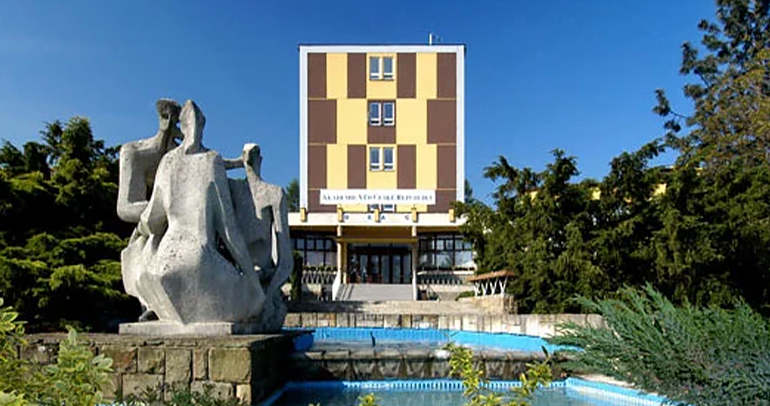
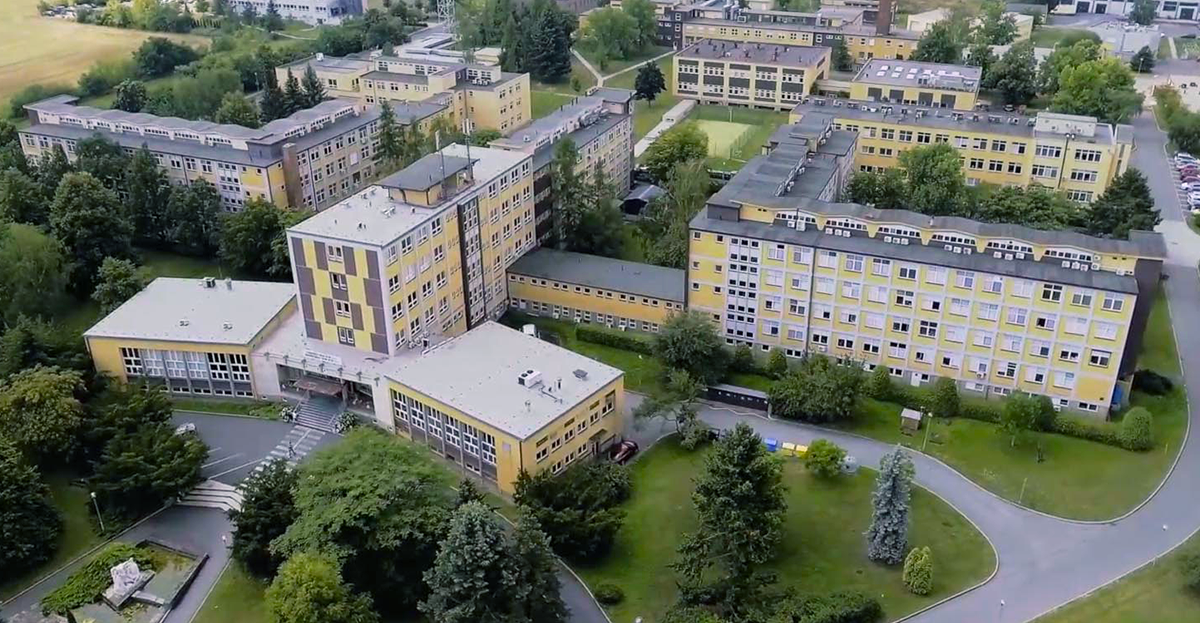
The main campus of IMIC in Prague-Krč, surrounded by collaborating biomedical research institutes of the Czech Academy of Sciences, forms the central hub of scientific activity and hosts the majority of IMIC laboratories, providing comprehensive facilities for molecular biology, microbial genetics, biochemistry, immunology, environmental microbiology and biomedical research. Long-standing expertise combined with modern infrastructure creates an environment that strongly supports close collaboration across diverse scientific fields. Research teams investigate bacteria, yeasts, filamentous fungi, algae and many other microorganisms. They integrate molecular genetics, biochemistry, physiology and ecology to study microbial life cycles, metabolism, responses to environmental changes and interactions with hosts. Major research directions include the study of microbial physiological processes, molecular and cellular biology, host-pathogen interactions, vaccinology and immunology, including investigations of innate and adaptive immunity, the contribution of microorganisms to autoimmune disorders and the development of potential immunotherapies for cancer and other serious diseases. Additional areas of research include environmental and soil microbiology, microbial degradation of pollutants, ecotoxicology and broader microbial ecology. Together these activities reflect a strong commitment to understanding microorganisms in their full biological, biomedical and ecological complexity, from human health to global ecosystems.
In addition to the main campus, IMIC operates three specialized associated centers located in different regions of the Czech Republic. The BIOCEV Centre in Vestec focuses on molecular biotechnology and integrative biology and serves as a major hub for advanced technologies and collaborative research. The Algatech Centre in Třeboň specializes in the biology of microalgae and cyanobacteria, examining photosynthesis, bioenergetics and the biotechnological potential of algal metabolites. The Gnotobiology Department in Nový Hrádek maintains unique germ-free and gnotobiotic animal models, including mice and pigs. This facility provides exceptional opportunities for the study of the microbiome, immune system development and host-microbe interactions, and it is the only one of its kind in the Czech Republic. Together these centers complement the research conducted in Prague and form an integrated network linking basic science with applied and translational research, environmental studies and biotechnological innovations.
IMIC is also an important center for education and training. Through collaborations with universities and its own programs, researchers of the institute supervise bachelor, master and PhD students, train postdoctoral fellows and provide expertise in advanced experimental techniques. The laboratories of IMIC regularly host foreign researchers, supporting international exchanges and strengthening collaborative networks. By combining cutting-edge research infrastructure with strong academic mentorship, IMIC helps prepare new generations of scientists for careers in microbiology, biotechnology, immunology and related disciplines.
IMIC actively contributes to the EATRIS-CZ consortium and provides a comprehensive translational infrastructure supporting advanced research in vaccinology, microbial genetics, host-pathogen interactions, immunology and infection biology. IMIC EATRIS-CZ offers a broad portfolio of services for academic researchers and industrial partners. These services include the design, cloning, production and purification of recombinant antigens; the construction of genetically modified microbial strains for the identification of key virulence factors and protective antigens; and functional in vitro testing of protein antigens and bacterial vaccine strains. The facility also provides in vivo testing of protective immunogenicity of vaccine antigens and bacterial strains in advanced mouse infection models, as well as long-term biospecimen storage through established biobanking capacities. The combination of extensive expertise, modern instrumentation and experienced researchers enables efficient support of projects aiming to translate fundamental discoveries into practical applications. IMIC EATRIS-CZ welcomes collaborative projects and partnerships that can benefit from its extensive expertise and infrastructure and contribute to the development of new diagnostic, therapeutic and preventive strategies.